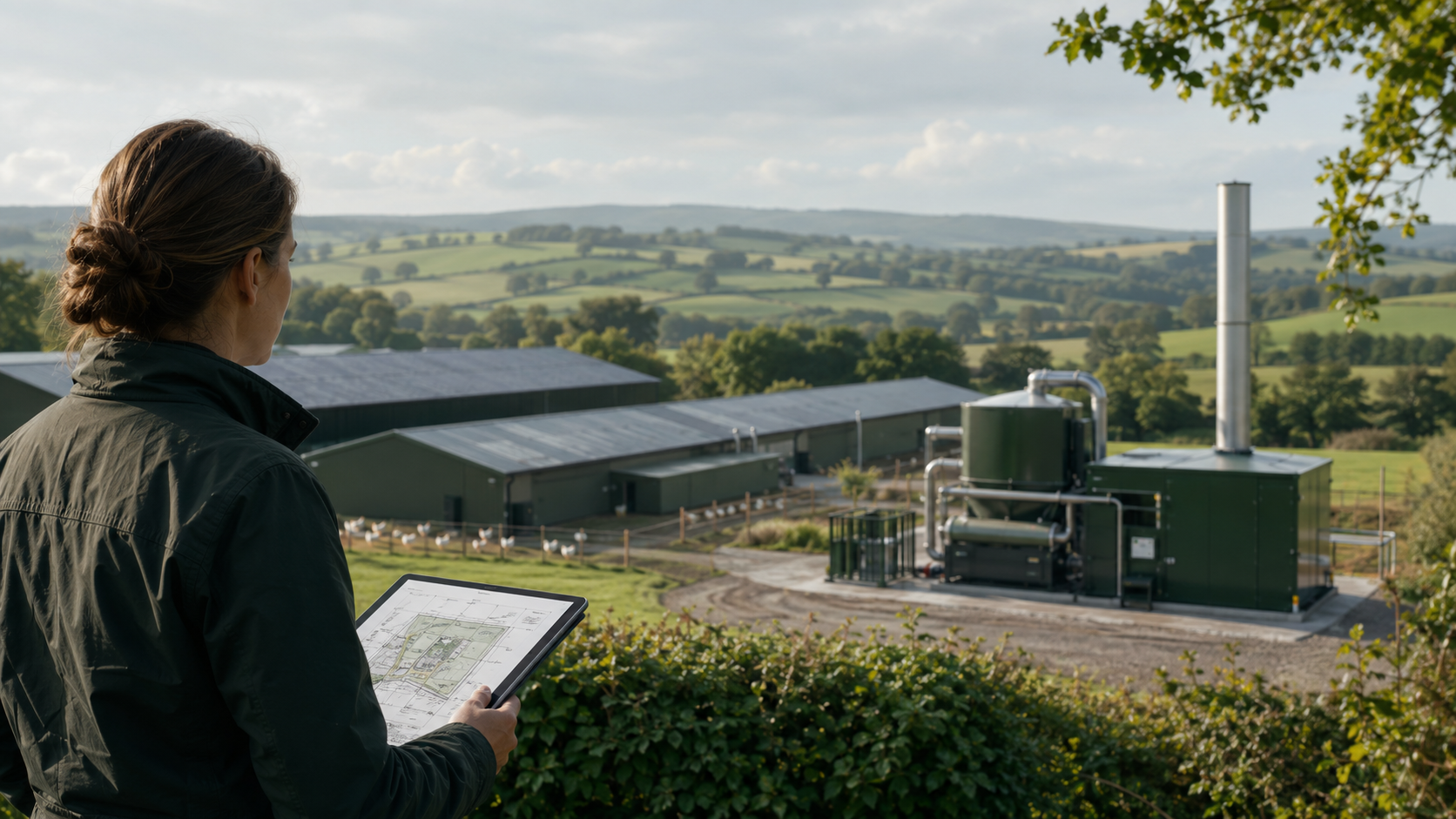
Planning and Environmental Strategy
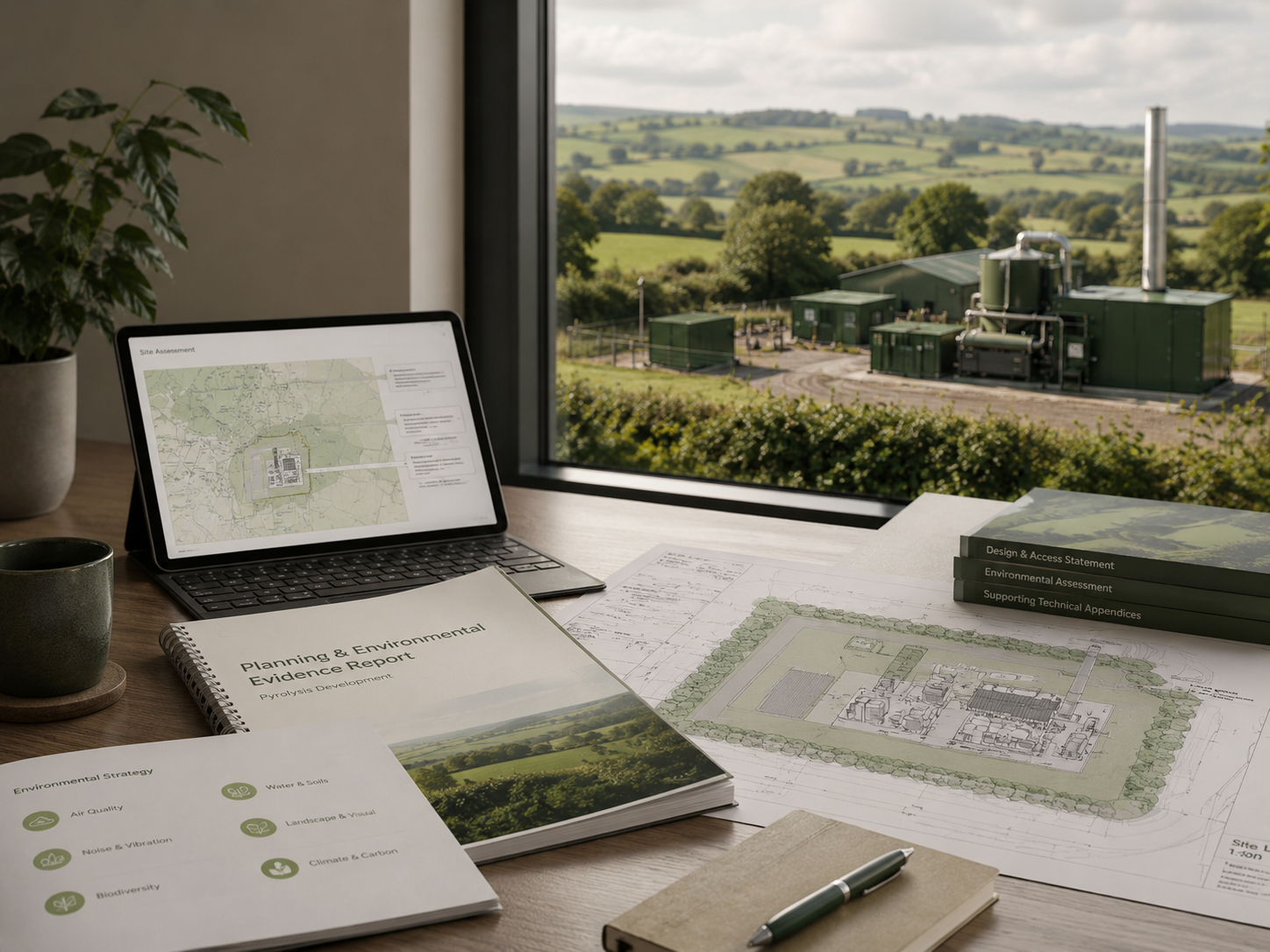
Support for planning applications, environmental positioning, technical evidence and mitigation strategy from the site scale through to wider system and catchment considerations.
RESNI provides scientific advocacy for productive farming and applied environmental strategy across planning, life cycle analysis, renewable energy systems and next-generation agricultural technology. We help clients define problems clearly, assess options rigorously and build credible technical cases that support investment, planning and practical delivery.
Science, technology and practical strategy working together to support better environmental and commercial outcomes.
RESNI works at the point where science, engineering, agriculture and environmental strategy meet. The business is not focused on one single technology. Instead, it brings together planning support, modelling, life cycle thinking, renewable energy development and emerging agricultural systems to help clients make better decisions and build stronger projects.
This broader technical approach allows environmental pressure to be reframed as technical opportunity, whether the challenge relates to nutrient loading, clean energy systems, planning evidence, agricultural innovation or resource efficiency.
Support for planning applications, environmental positioning, technical evidence and mitigation strategy from the site scale through to wider system and catchment considerations.
Life cycle assessment, environmental modelling, scenario testing and technical comparison of technologies, projects and development options.
Work on solar PV, renewable generation modelling, battery-linked transport systems and applied clean technology development.
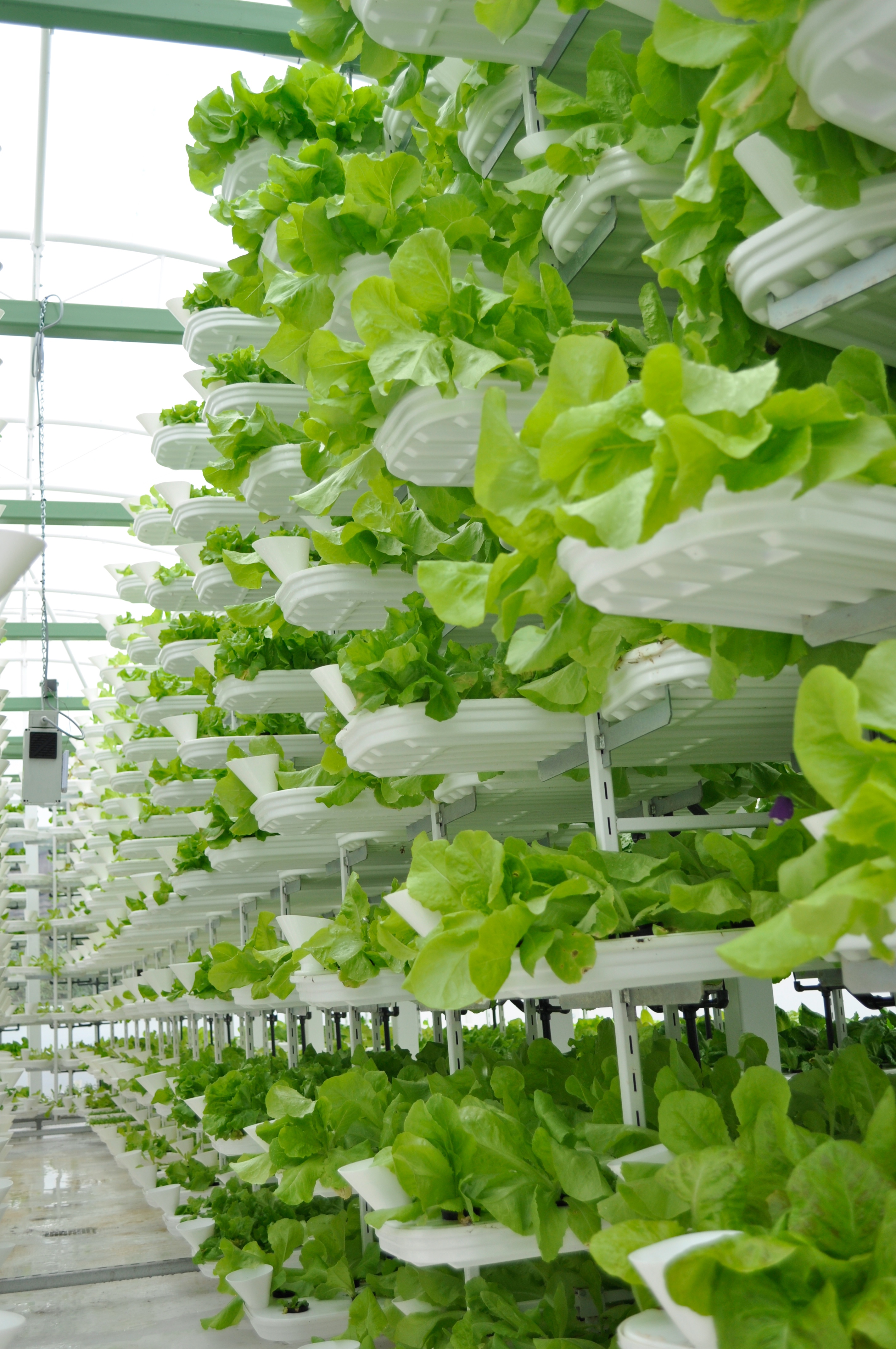
Technical interest in vertical farming, aquaponics, controlled growing systems and nutrient-efficient production models.
A key strength of RESNI is the ability to support planning and development proposals with technically credible environmental evidence. This includes site-specific assessment at the micro level, but also the wider strategic picture at the meso level, where nutrient pressures, land-use implications, environmental loading and system-wide interactions must be understood clearly.
The aim is not simply to describe a project, but to show how it can be positioned, justified and strengthened through better technical analysis, clearer environmental framing and more robust supporting evidence.
RESNI applies life cycle thinking and modelling tools to compare technologies, test scenarios and identify more credible environmental strategies. This can support planning, investment, R&D, product development and technology assessment by moving projects away from assumption and towards measurable evidence.
Capabilities include life cycle analysis, environmental impact modelling, renewable generation modelling and wider systems-based option testing.
Assessment of environmental impacts across technologies, products and systems.
Testing alternative pathways, technical assumptions and development options.
Applied modelling of renewable generation, system performance and technical feasibility.
Technical work relevant to solar PV systems, renewable generation modelling and cleaner power system design.
Development thinking around solar-powered battery truck concepts and practical low-carbon transport systems.
Applied technical review of new clean technologies, system integration opportunities and practical delivery pathways.
Agriculture is moving towards more controlled, efficient and technically integrated systems. RESNI has a growing interest in the next generation of agricultural technology, including vertical farming, aquaponics and other production systems designed to improve nutrient efficiency, reduce waste and support more resilient food production.
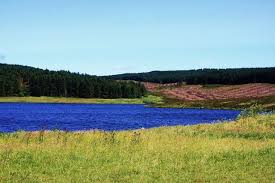
Technical work linked to real catchments, real landscapes and practical environmental outcomes.
Practical interest in vertical farming, aquaponics and other systems that improve the use of water, nutrients, space and biological efficiency.
Future-facing agricultural models designed around better use of nutrients, energy, water and space.
RESNI’s technical background is supported by published work and applied project development across agriculture, environmental systems and technology assessment. These outputs are not presented simply as publications, but as case-based evidence of modelling capability, system thinking, environmental analysis and innovation development.
Published and applied work can be used to demonstrate the ability to assess technologies rigorously, compare options and identify more credible environmental and technical pathways.
Research outputs also support commercial credibility by showing practical engagement with renewable energy systems, agricultural technologies, nutrient strategy and environmental modelling.
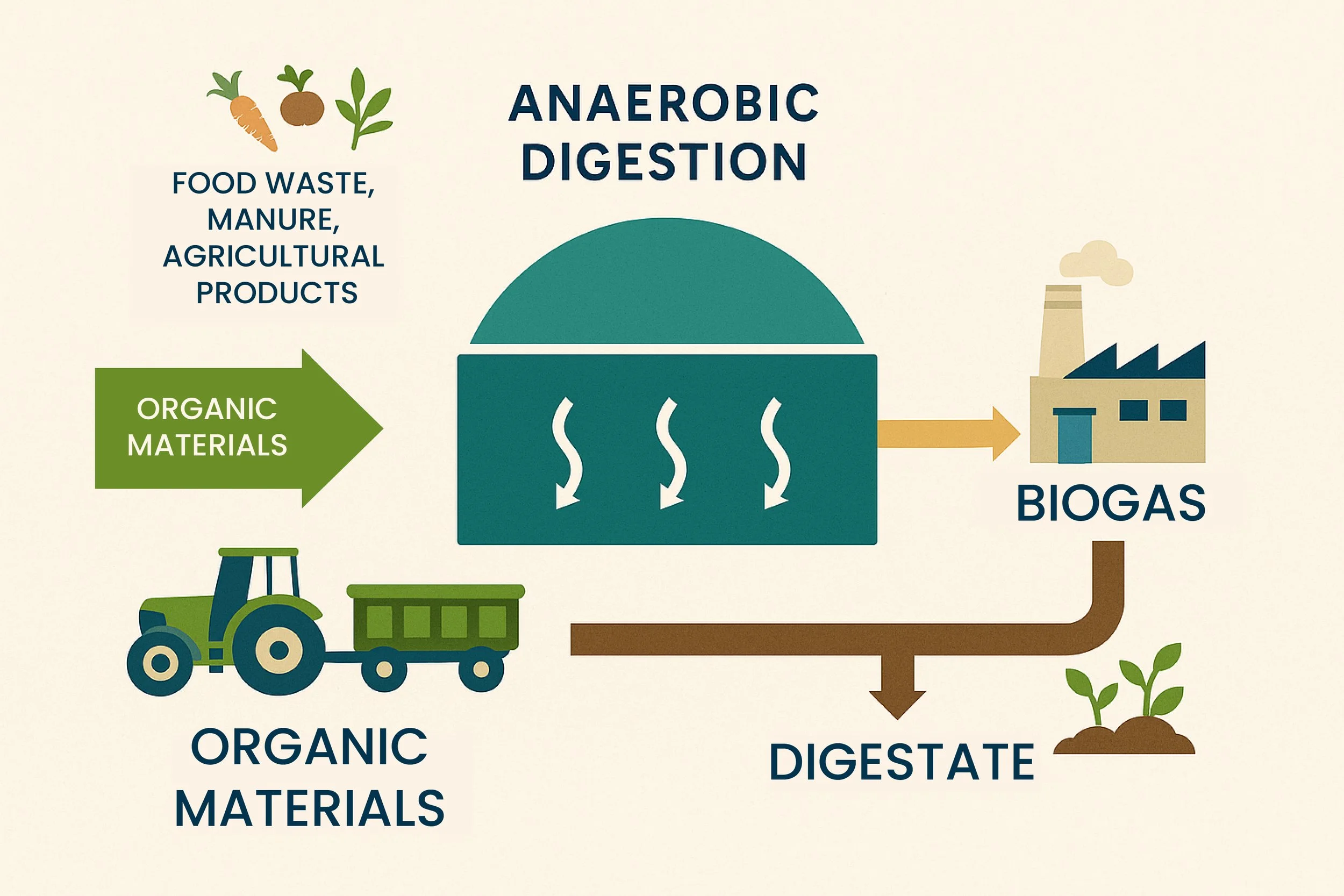
Biochar remains one specialist area within the wider RESNI offer, particularly where nutrient recovery, manure management, circular resource use and environmental performance are concerned. Rather than dominating the site, it is positioned here as part of a broader portfolio of technologies and strategies relevant to modern agriculture and rural development.
Specialist interest in biochar, nutrient recovery and more controlled agricultural system design.
Biochar as a specialist technology within wider environmental and agricultural systems.
Technical thinking around environmental pressure, planning support and nutrient management.
Insight on renewable systems, controlled growing technologies and next-generation agricultural models.
A simple way to keep the site growing is to add new pages for live projects, sector news and practical stories. This gives visitors a reason to return and lets the homepage point toward fresh content without changing the whole site structure.
Current technical work, active development support and ongoing environmental strategy projects.
Commercial facilitation support for farm-led innovation projects, including project scoping, application development, delivery coordination and technical framing.
An informative article on Natural England’s nutrient neutrality framework and how nutrient impacts can be assessed in practice.
Useful stories, field observations and practical lessons from environmental and agricultural work.
Whether the challenge relates to planning, nutrient management, technology assessment, renewable systems or agricultural innovation, RESNI can help define the problem, assess the options and build a more credible path forward.
Email: [email protected]
Website: www.resniltd.com
Address: 21 Chester Avenue, Whitehead, Carrickfergus, BT38 9QQ